Lock rekeying is the process of changing the internal pins inside your existing lock cylinder so that a new key will operate it, while your old keys will no longer work. This is one of the most common locksmith services and offers a cost-effective way to change your keys without replacing your entire lock hardware.
What is Lock Rekeying?
Lock rekeying involves modifying the pin tumbler configuration inside your lock cylinder. Every pin tumbler lock contains a series of spring-loaded pins cut to specific lengths that correspond to the cuts on your key. When you insert the correct key, these pins align at the shear line, allowing the cylinder to rotate and the lock to open.
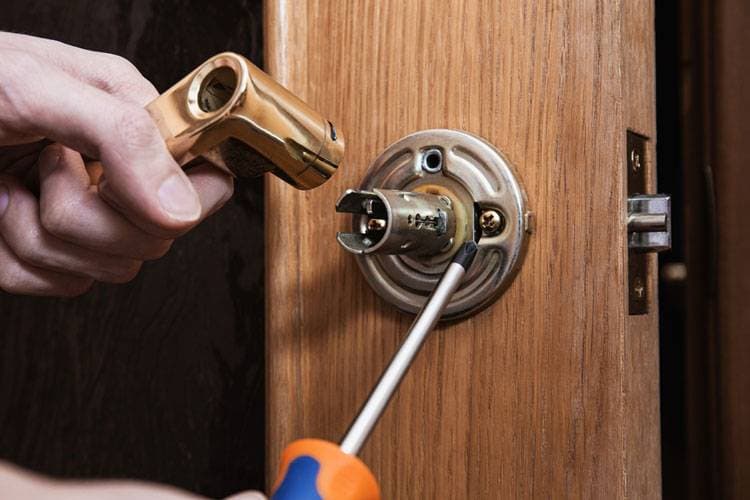
During rekeying, a locksmith removes the lock cylinder, takes out the existing pins, and replaces them with new pins of different lengths. New keys are then cut to match this new pin configuration. Your lock housing, exterior hardware, and door remain completely unchanged.
When Should You Rekey Your Locks?
There are several situations where rekeying makes sense:
- Moving into a new home: You never know who might have copies of the previous owner's keys, including family members, friends, neighbors, real estate agents, contractors, or cleaning services.
- Lost or stolen keys: If you have lost your keys or they were stolen, rekeying ensures those keys can no longer access your home.
- After a roommate moves out: When someone who had keys to your home no longer needs access, rekeying prevents them from entering.
- Relationship changes: After a divorce or breakup, rekeying ensures an ex-partner cannot access your home.
- Convenience: If you want all your locks to work with a single key, rekeying allows you to achieve this keyed-alike configuration.
Rekeying vs. Replacing Locks: Which is Better?
The choice between rekeying and replacing depends on your specific situation:
Choose rekeying when:
- Your existing locks are in good working condition
- You are satisfied with your current lock style and security grade
- You want to save money (rekeying typically costs 40-60% less than replacement)
- You simply need to change which keys work in your locks
Choose lock replacement when:
- Your locks are old, worn, or damaged
- You want to upgrade to a higher security grade (Grade 1 or 2)
- You want to change the style or finish of your hardware
- You want to install smart locks or keyless entry systems
The Lock Rekeying Process
Here is what happens when a professional locksmith rekeys your locks:
- Remove the lock cylinder: The locksmith removes the cylinder plug from the lock housing using a follower tool.
- Disassemble the cylinder: The retaining cap and plug are removed to access the pin chambers.
- Remove existing pins: All current pins and springs are removed from the chambers.
- Install new pins: New pins sized to match the new key are installed in each chamber.
- Reassemble the lock: The cylinder is reassembled and reinstalled in the door.
- Cut new keys: Keys are cut to the new pin configuration and tested.
The entire process typically takes 15-20 minutes per lock for an experienced locksmith.
Can All Locks Be Rekeyed?
Most residential locks can be rekeyed, including deadbolts and knob locks from major brands like Schlage, Kwikset, Yale, and Weiser. Some important considerations:
- Standard pin tumbler locks are easily rekeyable
- High-security locks may require special tools or restricted key blanks
- Some smart locks have rekeyable cylinders while others are electronic-only
- Car locks use different systems and require specialized automotive locksmith services
How Much Does Lock Rekeying Cost?
Lock rekeying costs vary based on the number of locks, lock type, and whether you want additional services like keying all locks alike. As a general guideline, rekeying is significantly more affordable than lock replacement because you are only paying for labor and new pins rather than entirely new hardware.
For accurate pricing, contact Wendover Locksmith for a free estimate based on your specific needs.
Master Key Systems
Beyond simple rekeying, locksmiths can also set up master key systems where:
- Each lock has its own individual key (change key)
- A master key can open all locks in the system
- Optional sub-master keys can open groups of locks
Master key systems are popular for businesses, rental properties, and multi-family buildings where different access levels are needed.