If you are locked out of your house, stay calm and assess your options before taking action. Getting locked out is stressful, but there are several safe ways to regain entry without causing damage to your property.
Step 1: Check All Entry Points
Before calling a locksmith, thoroughly check your home for any unlocked entry points:
- Try all exterior doors including back doors, side doors, and garage entry
- Check ground-floor windows that may be unlocked
- Look for pet doors that might provide access
- Check if the garage door opener works (if you have one in your car)
Be cautious - do not break windows or force entry, as this can be dangerous and costly to repair.
Step 2: Check for Spare Keys
Think about whether you have spare keys available:
- Did you give a spare key to a neighbor, friend, or family member?
- Is there a key hidden somewhere on your property?
- Does your landlord or property manager have a key?
- Do you have a key in your car or at your office?
Step 3: Call a Professional Locksmith
If you cannot find another way in, a licensed locksmith is your best option:
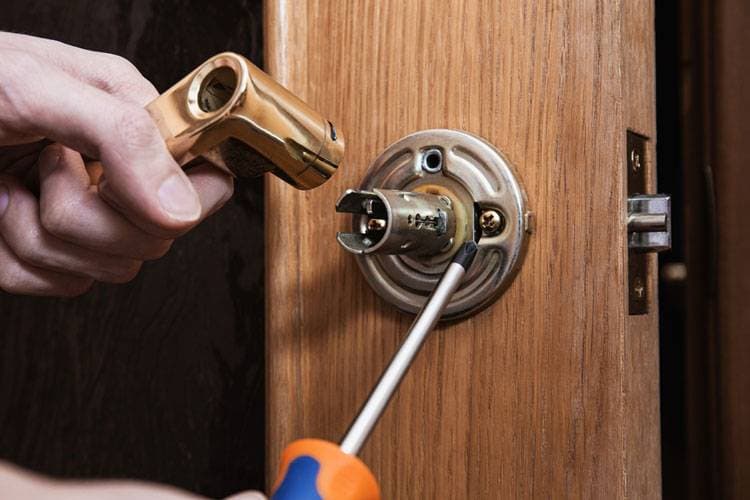
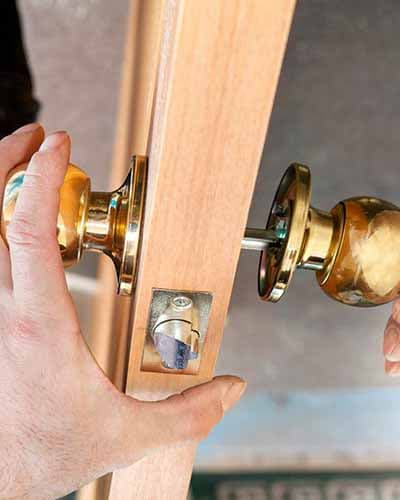
- Locksmiths use professional tools to unlock doors without causing damage
- They can unlock deadbolts, knob locks, and smart locks
- After gaining entry, they can rekey your locks or make new keys if needed
- Always verify the locksmith's credentials and get a cost estimate before work begins
What to Expect From a Locksmith
When you call a locksmith for a house lockout:
- Arrival: The locksmith will arrive at your location, typically within a reasonable time frame.
- Verification: They will ask to see ID proving you live at the address. This protects you from unauthorized entry.
- Assessment: The locksmith will examine your lock type and determine the best entry method.
- Entry: Using professional tools, they will unlock your door without damaging the lock.
- Additional services: If you want new keys or to rekey the lock, they can do this on the spot.
What NOT to Do When Locked Out
Avoid these common mistakes:
- Do not break a window. This is dangerous, expensive to repair, and may trigger an alarm.
- Do not try to kick in the door. This damages the door, frame, and lock, and may injure you.
- Do not use credit cards on deadbolts. The credit card trick only works on certain spring latches, not deadbolts, and may damage your card.
- Do not climb through small or high windows. Risk of injury or getting stuck.
- Do not call an unreliable locksmith. Verify credentials to avoid scams.
How to Prevent Future Lockouts
Once you are back inside, take steps to prevent this from happening again:
Get Spare Keys Made
Have at least 2-3 spare keys and distribute them strategically:
- Give one to a trusted neighbor or nearby family member
- Keep one at your workplace
- Consider a secure key lockbox mounted outside your home
Install a Smart Lock
Smart locks with keypad entry eliminate the possibility of being locked out:
- Enter a PIN code instead of using a key
- Unlock from your smartphone
- Never forget your code like you might forget keys
Create a Routine
Develop habits to prevent lockouts:
- Always check for your keys before leaving
- Keep keys in the same place every time
- Consider a key finder device or smart tag
When You Are Renting
If you rent your home:
- Your landlord or property manager may have a spare key
- Check your lease for lockout policies
- Some complexes have on-site maintenance that can help
- You may need landlord permission for lock changes